Home elevator maintenance: what gets checked and warning signs
A home elevator runs every day, many times a day. Like a car, it needs to be checked, lubricated, tightened and have worn parts replaced on a regular schedule. Proper maintenance keeps the lift quiet, reduces minor faults and preserves the level of safety it had at handover.
1. Why regular maintenance matters
- It keeps the safety devices (door lock, brake, travel limits, emergency stop) working correctly.
- It catches wear on doors, rails, guide shoes, ropes or the screw before it becomes a failure.
- It limits noise and vibration. See reducing elevator noise and vibration in townhouses.
- It extends equipment life and reduces the cost of major repairs.
2. What the technician checks
The exact scope follows the manufacturer's recommendations and the maintenance contract, and usually includes:
- Landing and car doors: rollers, door track, door lock, door safety sensor.
- Guidance system: rails, guide shoes, lubrication.
- Traction machine / drive unit and brake: wear, noise, temperature.
- Controller and inverter: terminals, relays, rescue battery, fault messages.
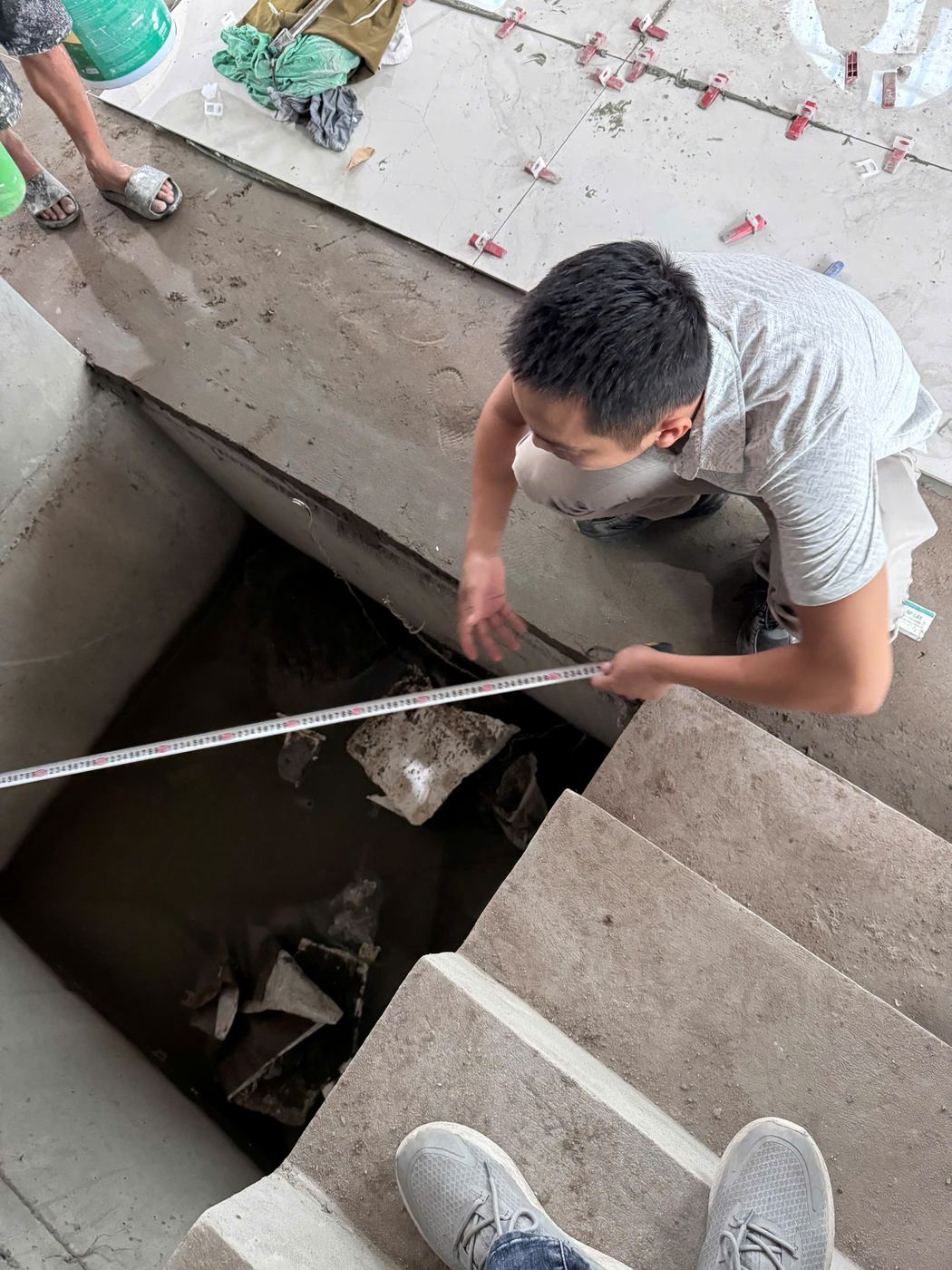
- Pit and overhead: cleanliness, standing water, buffers, safety switches.
- Rescue system: operation during a power cut and in-car communication.
3. What homeowners can observe
Even without technical expertise, a household can spot problems early by watching for:
- The car stopping out of line with the floor, or doors opening and closing slowly or jerkily.
- The car light, call buttons and display working normally.
- No debris or foreign objects stuck in the door sill groove.
- No unusual noise when the lift runs or stops at a floor.
Do not open landing doors yourself and do not enter the pit or overhead. All technical work must be done by a technician.
4. Signs to call maintenance right away
- The lift stops between floors or loses power with people inside. Stay calm, press the communication button or call the hotline, and do not try to leave on your own.
- A door that will not close or open fully, or an error that keeps recurring.
- Metallic banging, abnormal squealing or strong vibration.
- A burning smell or abnormal heat around the controller or machine.
When you notice these signs, stop using the lift until a technician has inspected it.
5. Maintenance versus inspection
Maintenance is carried out by the lift company under a contract to keep the lift in good condition. Inspection is a safety assessment by a licensed inspection body before the lift enters service and periodically afterwards. The two complement rather than replace each other. For inspection intervals and procedure, see do home elevators need inspection.
Frequently asked questions
How often should a home elevator be maintained?
As set out in the maintenance contract and the manufacturer's recommendations. Agree the schedule and the response time for faults when signing the contract.
What should I do if the lift is stuck between floors?
Stay calm and use the in-car communication button or call the hotline. Do not force the doors. Home elevators follow a rescue procedure set by the manufacturer.
Do I still need maintenance while the lift is under warranty?
Yes. Warranties usually apply when the lift is maintained on schedule. Read the warranty conditions in your contract carefully.
- QCVN 32:2018/BLĐTBXH – text of the regulation (Hệ thống pháp luật, in Vietnamese)
- Periodic inspection interval for home lifts (Thư viện Pháp luật, in Vietnamese)
This article is for general reference. Figures for each project follow the site survey and the lift supplier's drawings; regulations may be updated, so owners should check the original texts.

Engineers who survey and install home lifts at Vinhomes Ocean Park and Vinhomes Global Gate.